Point of Sale Software

How to increase your profit margins

Suppliers will often tell you what the margins on the product are but in the real world often, these figures are different. One of the main causes is discounts. A typical example maybe you get too much stock, so you need to discount to get rid of it but there are many other examples. Well, the question is how much discount are you giving away. Well, it is easy to find out.

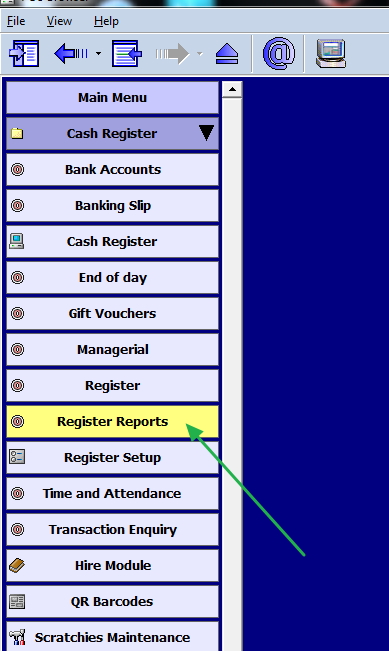
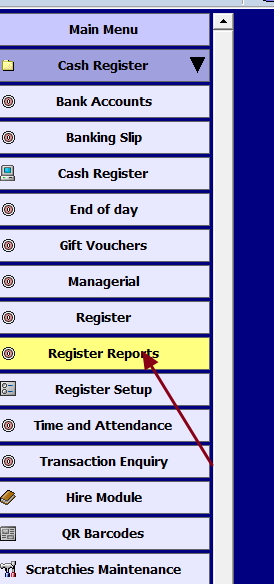
Go to the menu

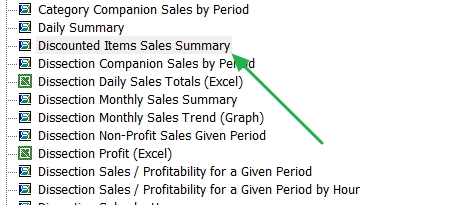
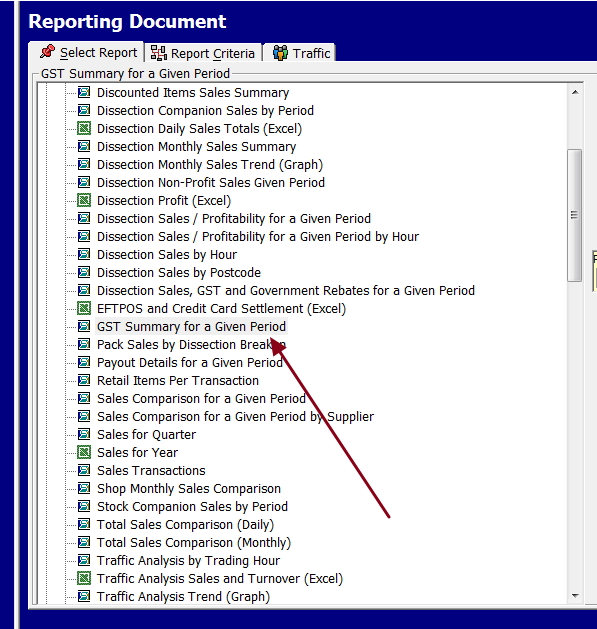
Now in sales select "Discounted Item Sales Summary"

Pick a period and now check by department.

You will get a detailed report of where you are discounting both by quantity and price. I find it better to transfer the figures into excel.

Now you can review exactly where your profit is going into discounts.

The pros and cons of software subscription vs. buying?

Subscription is when you agree to pay $X a month for as long as you use the software rather than buy. One clear advantage it has for the client is the initial ‘up-front’ cost is cheaper and from the supplier, it's often a much easier sale.

In our market space, several offer software subscription as an alternative to buying. Although generally subscription models have not been popular in our marketplace because from a strictly commercial view, overtime you will pay more. For example, doing a quick calculation, besides gaining a more stable cash flow. I determined that if we could turn everyone to a subscription model, that we would earn about 30% more revenue a year. This type of overpayment is the main reason why overwhelmingly most people in our market space prefer MYOB which they buy, over Xero which they need to subscribe as MYOB works out cheaper.

However, if someone wanted to take out a subscription with me, I am certainly not against it.

But of course that is not where the story ends, as its a very tricky question that depends on a client's particular needs and the terms and conditions of their software. Here are some examples.

) A person that intends to open a new shop for say three months and then close it down would probably find a subscription model attractive. The shop could have a computer system, as long as it is required at a reasonable price.

) If one needs an extra till over Christmas might find with his software if unlike our software, they require an additional licence, it would also be attractive for the two months to subscribe. Our users do not pay extra for more tills so this is not an issue to them, but it is to other software providers.

Some other problems would be.

) Cash flow, some of our clients have plenty of cash after Christmas but come say September, I have noticed they really need to budget to get them to Christmas. Here subscription is going to be a problem as the payments are constant all year round.

) The computer software today in our field is only a small part of the purchase price, there still are computers, printers, scanners, training, conversion costs, etc. to consider. Making it nonsense that it's a cheap trial as you will incur almost all the costs upfront anyway and if the subscription does not work you may be stuck with a pile of useless stuff and little legal recourse.

) The subscription model is an operating lease with instead of say NAB as a leasing agent, you are taking ABC Software as the leasing agent for the debt. I would prefer a reputable established company like NAB.

) You own nothing. If you stop paying, its terminates and you have nothing. It is similar to paying rent rather than buying a place. If you pay rent for 20 years, you have nothing on the 21st year.

) Under the law, you have fewer consumer rights to the software and your data.

) What happens if the software company goes out of business or gets brought out with a new policy.

No doubt others can add more to this list as there are issues to consider.

Network to G&G Transition

Network to G&G; Transition

POS Solutions would like to advise all newsagents to continue to return Network stock by Network EDI return forms until further notice. You may send the Network returns in the same box as the Gordan and Gotch returns but they require two different forms for the time being.

The longer shelf life items such as the AWW Cookbook series, annuals, bi-annuals, etc will be fixed automatically for you in a coming patch so you do not have to do anything.

Upgrading your computers and the need for speed

All computer age. It is a fact. This year, its top desktop computer, eighteen months later is average. Wait another eighteen months and it will be poor. After that, they may work but its worthless if you try to sell it.

If we are discussing laptops, it probably has about three years of life. For a smart phone, it's even worse; I count on about two years. There are a couple of reasons for this, but mainly with me, it's because I carry them around, despite all my efforts, they get dropped, water gets split on them, and often I leave them in hot places like cars and my pocket. Heat is the main enemy of electronics. Lastly, even if they last they go out of date and unlike a desktop computer they cannot be upgraded

For businesses, I think its best to plan on a life cycle of about four to seven years. Once the computers start going over four years, its time to reconsider what to do with it. The big issue in business is that old computers run slow and employees are paid for time. A shop assistant costs you $19 hour, once you include holiday, sick pay and superannuation, that comes to about $24 an hour and that is the cheapest you can get. Currently if an old computer say without a touch screen or an SSD drive costs an employee about 10 minutes more a day. Over a year that works out to costing you over a $1000 for that employee per year just in salary. Now add into the equation, that many people work on overtime rates, many senior staff members spend more time on the computer so they lose more time and they cost more, your customer service is 10 minutes per employee worse a day, your own time etc. With probably even the cheapest employees from a business point of view, a computer upgrade can be justified as it's false economy to hang on to old computers in business.

These of course are only averages, sometimes you need to replace them much earlier as some are just lemons.

A tip: Don't degrade your software in public

I was at a shop a short time ago where the owner told me that he had made a big mistake degrading his current software point of sale system in front of his staff. What he had done was tell them often that he was upset that the tills never balanced. What happened was as the staff started to realise that the tips did not balance, they gave up caring that they should balance. One staff member listening while he was going through it with me, burst out laughing when he showed me a cash register listing that showed one day they balanced. "How did we do that," she said? It was obviously the staff had stopped caring. Part of the pressure is on top of that the owners knew his software has not been fixed for the Caloundra bug where employees can take money out of the tip without leaving a trace. One point we could reassure him was that our system it could not happen.

Still ask yourself this how will your suppliers, clients and staff think if they even think that there is a problem with your computer system? They know you do not have stock control, what if they know you do not have tills that balance, what if they know you do not check your supplier's invoices, etc., etc.

Security is very much a feeling. If you give a bad feeling, it will become a reality.

If it is no good fix it, ASAP but do it quietly.

Changeover from Network to Gotch

For those handling magazines, the biggest problem, I suspect for many will be the massive bill shock for the March GG statement. It will have all the deliveries they used to get from Network and none of the returns. Those returns will be on the Network statement.

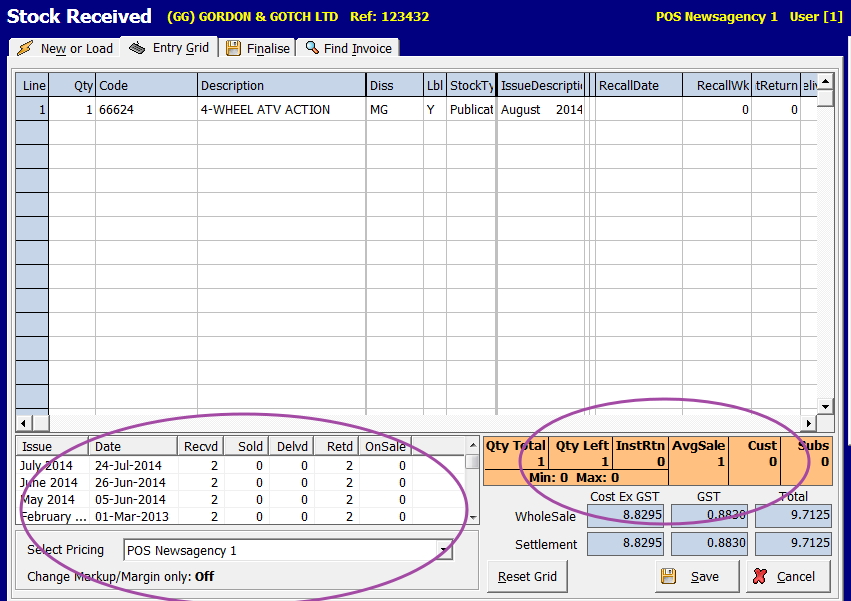
The other problem is, although I do believe that the GG systems are better than Network, it will take time for them to get the supply figures right. You will need to check where the purple circles are below while you are stock receiving the supply figures closely as you invoice magazines in, order any shortages and instantly return any oversupply to keep the March bill as low as possible.

Technically for those on XChangeIT, the changeover we do not see many problems as XChangeIT uses the barcode which will not change.

Please click here for the details. .

For those not on XChangeIT, who as such are manually invoicing, there will be problems. While invoicing you will need to look up, each magazine by description and then add the new supplier/supplier code in. This will take time. This is why some are talking at the moment of doing an early cull of Network magazines. The other reason is that many are complaining of what Network are suddenly now sending. However, we can help as here you will find a dictionary file of the GG and Network codes. There are two versions of the file as the B version has two rows for the Woman’s Day and the Woman’s Weekly as Gotch is going to have different product codes for the Metro and Country Newsagents.

I suggest you download them, and once you find which one is applicable to you, use it as a reference.

catalog_file_versionA

catalog_file_versionB

Note some people have asked us if there is an extra $495 charge from us like others are charging their users. The answer is NO. Our users are not getting charged.

Staff stock theft: Know your enemy

POS SOFTWARE


A lot of people have been discussing the Caloundra bug which involved a trusted employee taking money from the till, the truth is the system at Nextra Caloundra for whatever reason did not just fail at the till. What we know is she also stole stock, probably regularly, it was that plus an accident and cameras that led to her undoing.

There is only one way to establish the amount of stock that is missing, and that is stocktaking. Only after doing a stocktake will you have a clear assessment of your current stock situation and your theft rate.

Conversely if you have not done a stocktake recently, most probably like in Nextra Caloundra, you have an erroneous picture of your current stock levels. This is dangerous not just because dishonest staff are aware that your stock is not being checked so they can steal it but also because its going to lead to poor decision such as purchasing as the system will be showing you have enough stock for items you do not have.

Hopefully, you have in place a system by where stocktakes are done yearly, something we strongly recommend that you do even if the ATO does not require it.

What we do suggest is that you do mini stocktakes regularly over the year.

To do this divide your shop into many small locations, so that one person can do a section in a short time say two hours. By keeping the locations to such a manageable size, means you won’t be tempted to skip a large location because it’s too time consuming as all locations take the same time. It also means that if there is a slow period, a spare staff member can be used to do a stocktake. Now as the locations are being counted, the stocktake is coming together.

Another advantage of doing this is that some locations should be checked more often then other areas, for example, tobacco.

Furthermore, while you are counting you can clean too. You should also check for items in that location that aren’t supposed to be there. So while you are checking one location you are checking other locations as well. This allows you to systematically check the shelves and labels are correct.

Studies in the US have shown the best way of counting stock is that you count from the bottom shelf, work your way up going from right to left. You may say this is not natural, but that is why it's the best.

These locations should not be counted in a logical order but in a random order, e.g. use the latest lotto numbers. This has security advantages. If you do not know what is going to be counted today, how can the dishonest staff member know?

A well-planned stocktake done like this will result in minor disruption, give you accurate stock quantities, can produce a wide variety of discrepancy reports and enable you to make informed business decisions.

Our point of sale allows you to do this.

Finding a GST error

Sometimes what happens is that when you do your GST statement, there is something that looks wrong. What I had once was a purchase figure which just did not match with its GST figure. Since I could not find what was wrong, I came up with this procedure, which should be considered a last resort as it is a bit labour intensive.

Firstly, run the GST Summary report which you will find in Reports.

Select sales -> GST Summary

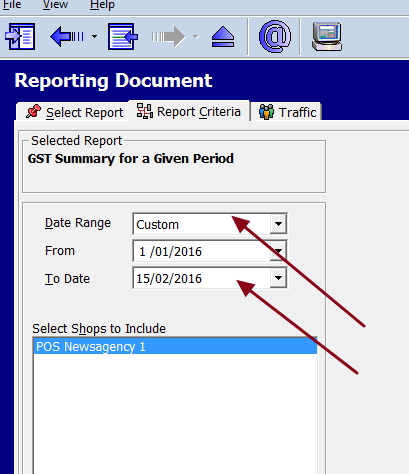
Now you will get this

Select the date range as Custom and put in a date half way through the quarter, now check this result. Going by this you will know which half of the quarter the strange figure is in. Now run the report again but this time split the half where the strange quarter is in again in half and so on. It will take you about six or seven attempts to get the day. Once you have the day you can investigate further.

In my case, it was a sizable insurance claim, which was wrongly entered, which had no GST, which was the reason the purchase figure was out, but it took quite a lot of looking to find.

Advice on how you can dramatically reduce big employee theft?

In a newsletter, I showed how bad software design was, to some extent, responsible for a major employee theft, and I offered a plan that might have saved this shop a lot of money. All passwords should be changed regularly and kept secret.

Although for this newsletter, I received a lot of praise from people and one criticism. Many did offer their own personal experience and knowledge of similar thefts. Some are not small. For example, one competitor of mine recently released information that he knew of a case of $250,000 stolen by an employee over almost three years.

It may seem to be mind blowing, but sizeable theft can occur even in very small businesses. If you think about it, the stock and turnover per employee in a large store is similar to a SMB store.

I was also asked if there was something I could advise people on what they can do to avoid this.

Well, I can tell you in my experience the biggest case of loss occurs when people have products or services that are not integrated into their point-of-sale system. Once integrated there is some checks. For example, one of my clients had $200,000 go missing from an epay/touch system that was not integrated into their point-of-sale system. The sales were going through of telco products, but they had no idea that no money was coming in. They never checked to see that the epay/touch statements did not match what was going through the till. An accountant who we worked closely with to help our client reported to me in all my experience, "I have never seen anything like it." I told him "I have."

Here is another example, a client had a computer for their delivery system and a cash register. He lost about $25,000 plus. One employee discovered that she could issue receipts from the computer system and not ring it up in the till. As such many cash transactions to do with delivery, that she processed she kept. Now what is really amazing was that this girl, was only working for them until she could get a job in the police force as she wanted to become a policeman.

Sometimes it happens even without intent. About 1% of a store's turnover went missing because of keying errors in the EFTpos in one shop. When the shop went to an integrated tyro, suddenly they saw it. They told me they picked up about a $400 a month, pure profit.

Besides other benefits such as saving time, integrated systems can reduce theft, sometimes dramatically.

Addressing the Caloundra bug

The Caloundra bug can occur when a trusted person has access to your system and is able to misuse the system for their own direct benefit. In this case that person was able to steal over $39,000.

So obviously we have received a lot of enquires about this and rest assure we are actioning it now. As such we are moving many functions to higher levels of security. As such some people that currently have access to functions in your system may find themselves locked out of some functions in the latest update. If they comment, you may need to review whether they need such access. For example, it may look ugly but a credit note is a perfectly valid accountancy procedure.

Currently what you need to do is review your security. Make sure that your passwords are changed. Over time who knows who knows whose passwords. The thief in the Caloundra bug case, knew the password.

The next step is to review your security levels.

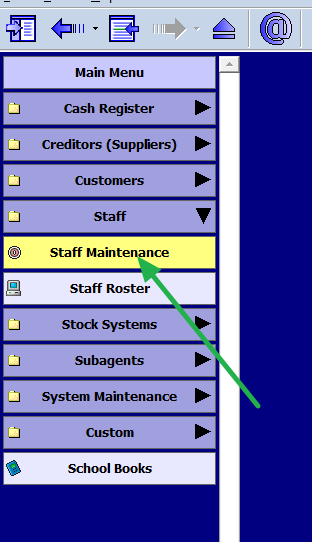
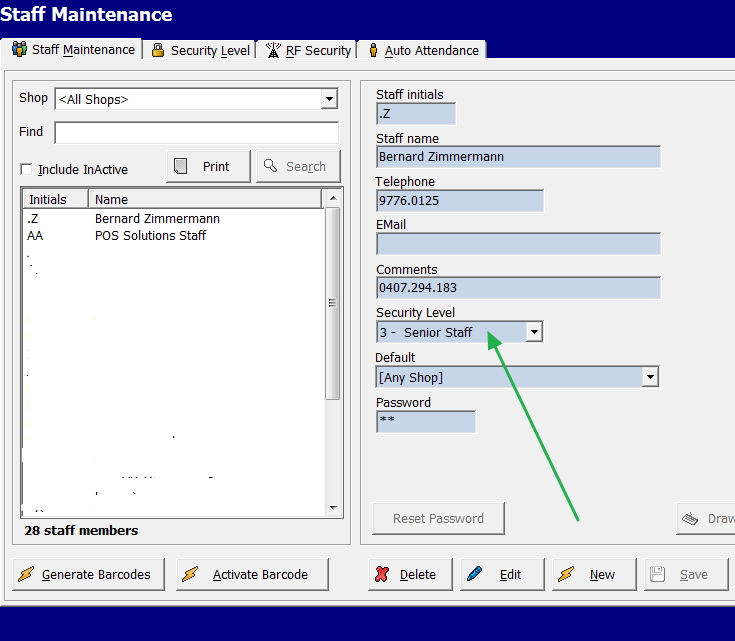
Click on staff maintenance from the Main Menu

Now review everyone's security level where the green arrow is pointing. A quick way of doing this is the first person on the list and use the arrow keys up and down.

Make sure they have the correct security level for the tasks they do.

Furthermore, there should be only one person on your system at level 8, if you have two or more people with level 8 move all but one to level 7.

Once you have done that the latest update will take over.

The changing from Network to Gotch

Due to some last minute changes, we have updated our instructions for the change over. The current plan is that from the 29th of February the PHYSICAL magazines will be going back to Gordon and Gotch and Network will still be sending XchangeIT returns forms.

Please click here for the details. .

New laws will allow ACCC To target Credit Card surcharges

POS SOFTWARE

I suggest retailers go to their industry bodies to enquire about what is defined as overcharging for surcharges for customers using their credit cards. New laws are coming into effect in a few months that mean that retailers could be fined up to $108,000 per alleged contravention if caught overcharging customers. For more details, click here.

Once you have determined your surcharge, let us know, as it's very easy to change in our system.


Stock turns over time

The goal in retail is ultimately efficiency.

The most common metric to keep track of how well you are managing your stock is how fast you are turning it over - your stock-turns. Often selling it in less than a month means you are not paying for it.

As a rule, a low stock-turn ratio means poor sales compared with the stock you are carrying or high theft. A high figure could mean either good sales, or you are not purchasing enough.

Although it certainly does not give all the answers by monitoring this number, you can make it easier to track how well you’re managing things.

What you will find useful is to compare your stock-turns over time.

To do this what you need to do is get your stock terms, a quick way of doing this is by doing this.

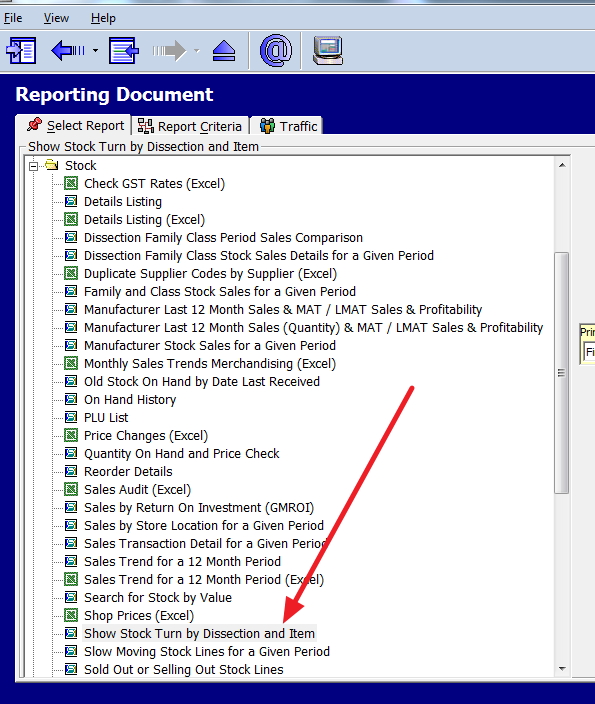
Main Menu > Cash Register > Register Reports > expand Stock > select/double the click the report “Show Stock Turn by Dissection and Item.

Now select the relevant options and then click the View Report button.

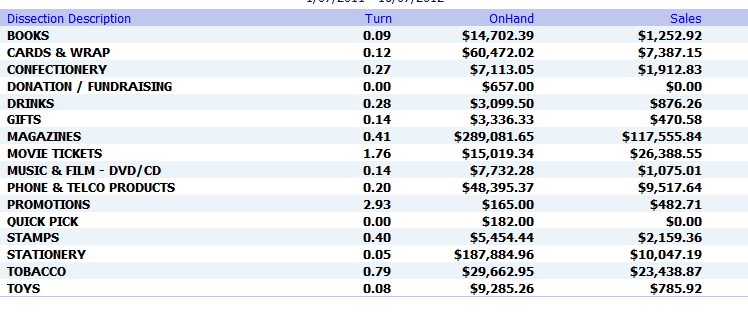
A useful exercise is run this report yearly for the last five (5) years, the last year and the last three (3) months and now compare the figures. This gives you a long, medium and short range. See how different departments are going.

Updated security version: Employee theft from Nextra Caloundra

On the February 9th, the following news story was released. What it shows was in a shop a trusted employee whom the owners considered part of the family stole at least $36,000 from them. If you have not yet seen it, well I think it's worth a view.

http://www.9news.com.au/national/2016/02/09/19/48/queensland-newsagency…

What she did is use her insider’s knowledge of shop security measures and the software the shop was using to steal stock and take money out of the till. What was the cause of her undoing was some stock was discovered suspiciously missing. Then doing an investigation it was shown that at least $36,000 had gone missing from the till. How much did she take is unclear?

Although these people were not our client and the system was not ours, we are currently putting together specifications for changes to our system that will make such fraud much harder.

The problem here is in his scenario many have stated is that the common methods for dealing with employee shop lifting do not work.

Enforce scanning of everything does not work because the shop is small so often the employee is alone and can make any policy she wants.

As she knows how to bypass security on the cash register, there are no suspicious cancelled, deleted sales or items deleted from sales. The tills always balance so even if you suddenly do an unexpected spot check, it will not show it up. Even if it did show up since the shift loss is small often here about $20, even if found it would not cause any alarms.

The bank balances are consistent as she is supplying the figures.

Although in this case, the cameras were important, it should be noted that she knows where the video camera layouts. Interestingly once the owners were alerted to a possible problem here, they studied the camera footage and that was what got her. I discussed this with a client of mine last Wednesday, Gerard from Sorrento news, and he told me, that once he was suspicious he just sat and watched someone for over 20 minutes before he found it. You have to sit and watch he said.

The immediate solution that we are recommending to our clients is to change your passwords, who know who knows them. Then change your camera layouts. Now review your security measures. If you have any problems and need to discuss it, our clients can always ring us.

Furthermore, in the next few weeks we will be rolling out updates specially designed to combat this type of fraud, which will make it harder.

Teenager accused of shoplifting, shamed on Facebook and privacy

A short time ago, I blogged how a small business in the US put this picture of a suspected shoplifter on their Facebook page and asked their followers to help identify the suspect, and I wondered about the legality of doing this.

Well I made some enquires and today I received some response based on this case in New Zealand Privacy Commissioner.

What happened there was a clothing business posted a picture of a group of three teenagers suspected of shoplifting. Two were guilty, but the third was not. Then the father of the third teenager complained to the privacy commissioner about the photo which he said unfairly branded his daughter as a shoplifter. The shop paid some compensation at the end.

Two points are clear in the judgement

1) If you intend to use Facebook like this you need to make sure you have a sign in the shop clearly saying that such security footage may be shared on the shop's Facebook page.

2) If you have a group shot, and you are unsure of one person, blank that person out. If you have not got a photo editor program, the one I recommend that is fairly easy to use is PicPick

Note: I'm not a lawyer, so you should seek professional advice first before doing this ?

Latest Audit Bureau of Circulation figures

POS SOFTWARE

Like everyone in the newsagency industry, I look forward to seeing the latest Audit Bureau of Circulation (ABC) figures although I do confess with less enthusiasm than before


It is split into two sections newspapers and magazines, of course, my main interest is in the newspapers where the same patterns I reported last time showed up again.

Print circulations of Australian newspapers sales decline has continued. Probably the worst hit is Fairfax.

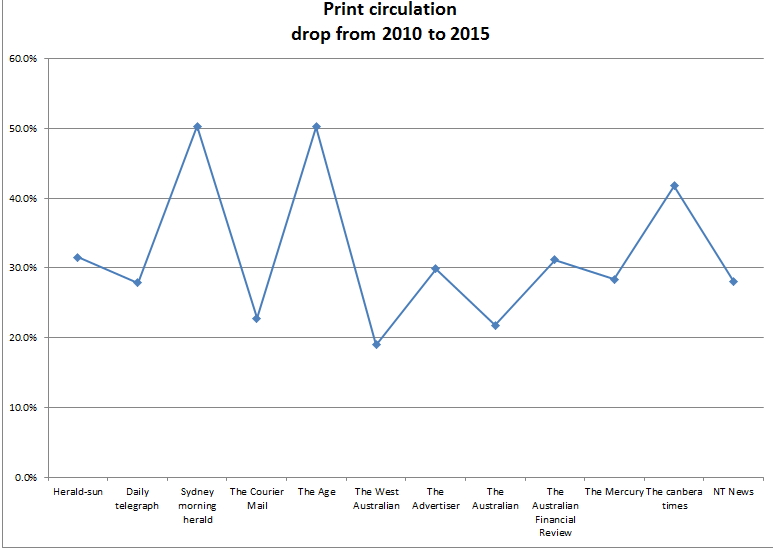
I graphed the print circulation from 2010 to 2015 by title based on current circulation so the big circulations are on the left and they get smaller as you move to the right.


There is no real pattern, they are all down; the average is 30% down over the five years.

Magazines because they are lower in circulation, they tend to deviate more but the result is down.

Looking at the figures I cannot see any switch to be digital. So despite years of effort and large sums spent, neither newspapers nor magazines have significant numbers of digital subscribers as few are paying for what they can get for free on the net. So with newspapers, there is the added problem, as the average age of a reader for print is going up, the newspapers are looking at a demographic nightmare. What is keeping them going for now is print.

For newspapers, you can get further information here. Its got a nice graph on the bottom which is worth studying.

For magazines, click here


Confidential information

POS SOFTWARE

A common problem many face is that because everyone in the business could get access to any computer in the systems, how do they keep their information confidential?

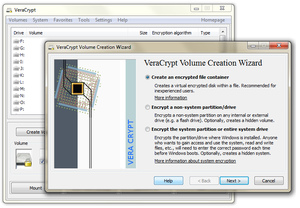
So what we do is set up our users with an encrypted disk drive. Anything on these encrypted disk drives until they supply the correct password is unreadable. Once they put in a password, it acts as a normal drive with its own letter, accessible like any other drive. When they finish and close the program, and it turns back into unreadable again to anyone without the password. Doing this is a big advantage too if their computer is lost or stolen, as no one can read their private information.

Until recently we used TrueCrypt to do this but for some reason, TrueCrypt shut down. No one quite knows why. So now we use the new VeraCrypt which we think is better.

Once VeraCrypt is set up it is so secure, that I doubt anyone in Australia could break it.


Enjoy your privacy.
 
 
Note here is some information on the new key disclosure laws.
https://en.wikipedia.org/wiki/Key_disclosure_law


Fraud alert

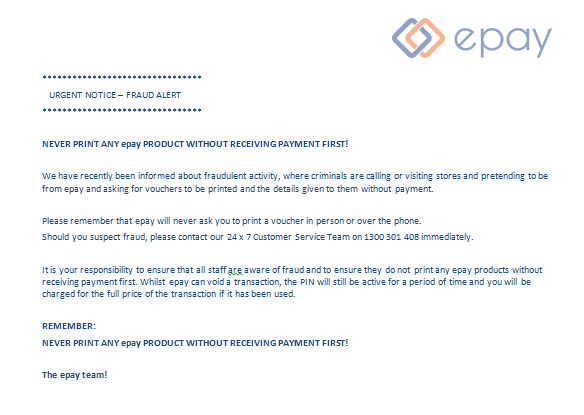
I strongly recommend that all our clients put in virtual products; however, if you do please keep in mind this. One of our clients was hit by a con man who claimed to be from epay and asked for a test print of a VISA card. Our client printed it for him and only later discovered that they had been conned.

Please do not release any epay or any other electronic voucher until payment is received.