
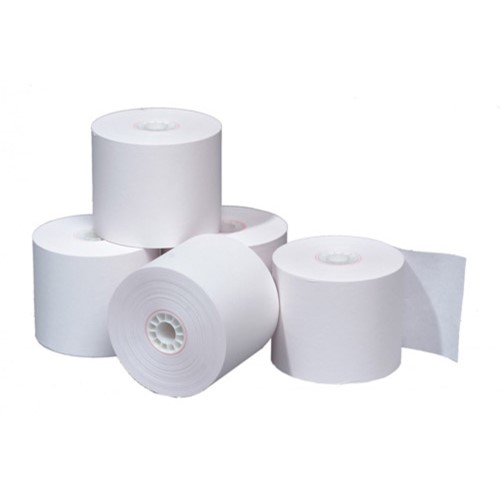
Low-quality receipt paper causes problems besides looking unprofessional; it often jams and fades. That is why it's important to choose quality thermal paper rolls. Here are some tips for smart buying thermal paper rolls.
Test Thermal Paper Rolls First
Before you commit to a bulk purchase, order a small quantity to test the quality. I have seen retailers stuck with bad-quality receipt paper.
- Thickness: Is the paper too thin? Thin paper tears easily, stores poorly, and feels "cheap" in the customer's hand. It does not give your customers a good feel.
- Print Quality: Do prints look faded or dirty right away? High-quality thermal receipt rolls should produce crisp, dark text.
- Writability: Sometimes it's great to get a customer signature. Check whether your customers can sign the receipt. A paper that is too slick or glossy is a pain to sign receipts, which can frustrate customers at checkout.
- Fit: Do the rolls fit properly in your printer? You do not want to have to rewrap or trim the paper rolls to make them fit. This is a headache you don't need.
Inspect Your POS Thermal Paper Orders
When your larger order arrives, do not just sign for it and throw it in the storeroom. Inspect the packaging and rolls immediately.
- Rubbing: This occurs when the rolls are poorly packed, causing them to shift in the box. When rubbed, thermal paper transfers ink, making the rolls look dirty before you even use them.
- Smashed: I have seen brand-new receipt rolls smashed during transport. If you try to use them, it's quite likely youwill get a printer jam.
- Water damage: The thermal rolls do not like moisture.
Verify the rolls match your hardware specifications.
Match Printer Specs and Protect Equipment
Using the wrong paper size is one of the quickest ways to get a headache.
- Verify Compatibility: Always check that the roll width (commonly 80mm) and core diameter match your point-of-sale system's receipt printer. A mismatch here is a common problem. Close enough is often not good enough.
- Select Low-Dust Paper: Cheap paper often sheds dust. This dust accumulates on the delicate thermal print head, leading to poor print quality and expensive repairs down the track.
- Check GSM Weight: Aim for a standard weight of 55–70 gsm. Paper that is too heavy strains the printer motor, while paper that is too light is prone to crumpling.
Essential Features to Look For
The best POS thermal paper rolls come with features that make your life easier. Look for:
- A coloured stripe that appears when the roll is running low, giving you ample warning to swap it out.
- Double-ply options if your business operations require physical duplicate copies.
- An advertised length that matches the actual length, measure it if you suspect you are being short-changed.
- Adequate thickness to ensure the receipt feels substantial and doesn't tear when dispensed.
Conclusion
Quality thermal paper reflects well on your business. By taking the time to find a good supplier and inspecting your stock, you save yourself headaches and ensure your POS system makes a professional impression.