
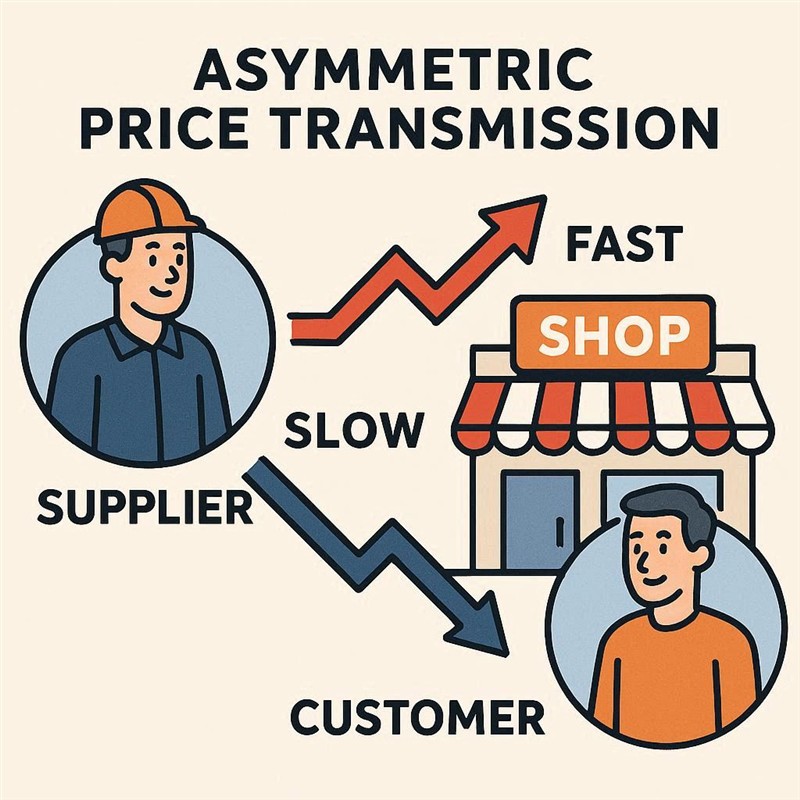
Rocket and feather pricing, also called asymmetric price transmission (Wikipedia), happens when suppliers quickly raise delivery fees for reasons like higher oil prices, but are slow to lower them when costs drop. For example, a greeting card supplier's trucking company might add a 10% fuel levy, then rename it as a shipping fee and keep charging it for as long as possible. That’s why I believe these higher prices will stick around, even if the oil crisis ends. It’s unrealistic to expect them to drop soon.
Right now, freight surcharges and mandatory carrier fees are being added to your invoices to cover diesel costs. These charges increase your inventory costs before you even make a sale.
For example, when a distributor ships toys to your shop, they add a trucking fee that raises your costs.
Key Takeaways
- Freight surcharges are extra transport fees that hurt small retail profit margins.
- Point of sale systems track hidden delivery costs on every single stock order.
- Country newsagents face huge risks of running out of stock during fuel shortages.
- Price adjustments act as necessary steps to cover rising wholesale shipping costs.
- Delivery fee audits help you catch billing mistakes before they drain your bank account.
- Click and collect services help you completely avoid paying expensive carrier oil fees.
Why Does Tracking Freight Surcharges Matter for Your Store?
If you ignore rising fuel levies, your retail profit margins will shrink. Australia Post's domestic parcel contract fuel surcharge is set to rise from 4.8% to 12% (Source: Australia Post, 2026). Most small business owners can’t afford to absorb these sudden shipping fees. That’s why you need to include transport costs when setting your shelf prices. For example, if shipping a plush toy costs two dollars more, you should raise the retail price to protect your profit.
I know many retailers choose to absorb these fees, but I recommend reviewing this policy as soon as possible. It introduces a new level of uncertainty into the system, which makes it difficult to set consistent retail prices. Retail pricing strategies require stability to work properly. Fluctuating diesel costs create a chaotic accounting mess. For instance, identical boxes of toys might cost you three different amounts across three consecutive weeks. You may need to review the prices of the existing items in the shop.
How Do Suburban Newsagents and Country Retailers Compare on Supply Chain Risks?
Where your shop is located makes a big difference in how fuel supply pressures affect you. Suburban newsagents usually see smaller but more frequent freight surcharges. Country retailers, on the other hand, face higher delivery fees and a bigger risk of running out of stock.
How Does a Point of Sale (POS) System Manage Retail Inventory Costs?
A POS System tracks every item from wholesale purchase to final customer sale. It can automatically split bulk freight charges across individual items so you see the full cost. For example, your software can divide a $20 freight charge over 100 greeting cards, showing a 20-cent cost per card.
They can also be set to order stock strategically to minimise transport fees. By ordering larger quantities less frequently, you combine multiple delivery fees into a single charge. This is what we have done in our business.
Keep an eye on your prices regularly using your POS system. Next, review your delivery fees to protect your margins. Make sure you’re not covering customer shipping costs yourself. Push click-and-collect services to your local customers instead.
What Are Your Next Steps for Retail Margin Protection?
We’re all in this together. While you can’t control global diesel prices, you can control how your store adapts. Use your tools to ensure your cost data is accurate and margin management is tight. Don’t let hidden supplier fees chip away at your profits.
Written by:

Bernard Zimmermann is the founding director of POS Solutions, a leading point-of-sale system company with 45 years of industry experience, now retired and seeking new opportunities. He consults with various organisations, from small businesses to large retailers and government institutions. Bernard is passionate about helping companies optimise their operations through innovative POS technology and enabling seamless customer experiences through effective software solutions.